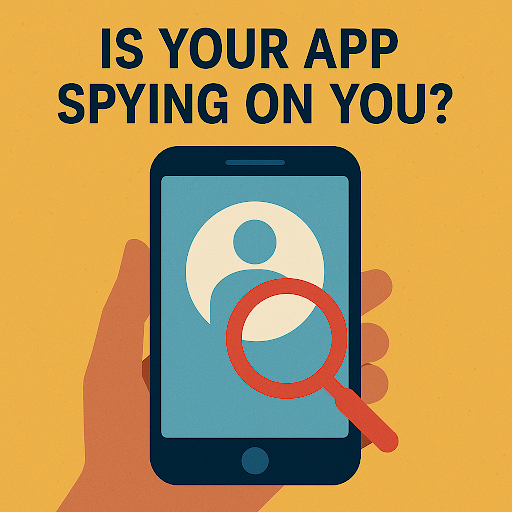



The Internet has become an essential part of children’s daily lives, offering educational resources, entertainment, and social interactions. However, it also presents risks such as cyberbullying, scams, and exposure to inappropriate content. As a parent or guardian, it’s important to educate children on safe online practices. Here are some online safety tips to protect them in today’s ever-changing digital space.
1. Emphasize the Importance of Online Privacy
Teach children to keep personal information private. They should avoid sharing their full name, home address, school details, or phone number online. Encourage the use of screen names instead of real names when creating accounts for games and social media.
2. Encourage Strong Password Habits
A secure password is essential for online safety. Guide children to create strong passwords that combine letters, numbers, and symbols. Remind them never to share passwords and to update them periodically.
3. Monitor Online Activities
While fostering independence is important, keeping an eye on your child’s online activity helps ensure their safety. Use parental controls to restrict inappropriate content and discuss the importance of visiting safe websites.
4. Educate on Cyberbullying Awareness
Cyberbullying can have lasting effects on a child’s well-being. Maintain open communication so they feel comfortable discussing any negative experiences. Teach them how to block and report bullies and emphasize that they should never engage with online harassers.
5. Teach Them to Recognize Scams and Phishing Attempts
Children may not recognize online scams, making them vulnerable to fraud. Explain how to identify phishing emails, fake websites, and suspicious links. Advise them to avoid clicking on unfamiliar links or downloading files from unknown sources and always reach out to you if anything is not clear.
6. Set Healthy Screen Time Limits
Excessive screen time can impact children’s health and social development. Set reasonable internet usage limits and encourage offline activities such as reading, sports, and creative hobbies to promote a balanced lifestyle.
7. Guide Responsible Social Media Use
If your child is on social media, ensure their accounts are private and they only interact with trusted individuals. Discuss the risks of oversharing personal photos and locations, and remind them that online content is permanent.
8. Be a Role Model
Children learn from the behavior of adults. Demonstrate safe internet habits by practising secure browsing, avoiding oversharing, and engaging in respectful online communication.
Ensuring children’s online safety requires ongoing conversations and vigilance. By teaching them how to navigate digital spaces responsibly, you empower them to use the internet safely. Stay involved, encourage open discussions, and make their online experiences secure and positive.