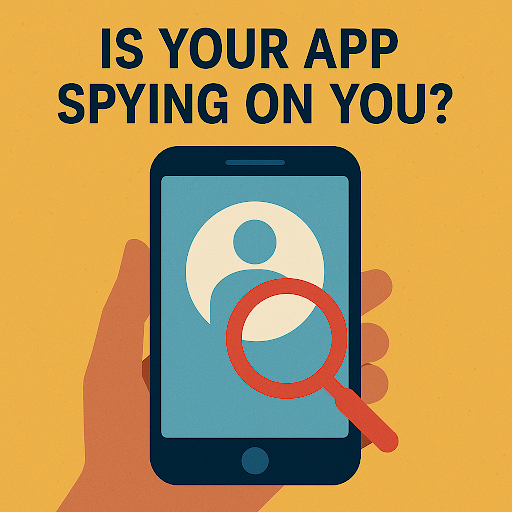




As the world evolves, cybercriminals have also evolved from relying on high-level technical skills or malware to breach systems. Instead, they manipulate the most vulnerable element in the cybersecurity chain: human behavior. This tactic, known as social engineering, uses deception to convince individuals to reveal confidential information or perform actions that compromise security. From phishing emails to fake customer support calls, social engineering attacks are common and highly effective. This article explores how social engineering works, real-life examples, and the most effective ways to stay safe online.
What is Social Engineering?
Social engineering is the act of psychologically manipulating people into giving up sensitive information or performing actions that they wouldn’t normally do. It exploits natural tendencies such as trust, fear, urgency, and curiosity. Unlike traditional hacking methods that rely on code or system vulnerabilities, social engineering targets human error.
Attackers often use this method to gain access to passwords, banking details, or company data. A social engineering attack can come in the form of an email, a phone call, a text message, or even an in-person interaction. It’s not just tech-savvy individuals who are targeted—everyone is at risk, including students, employees, and senior citizens.
Why Social Engineering Works?
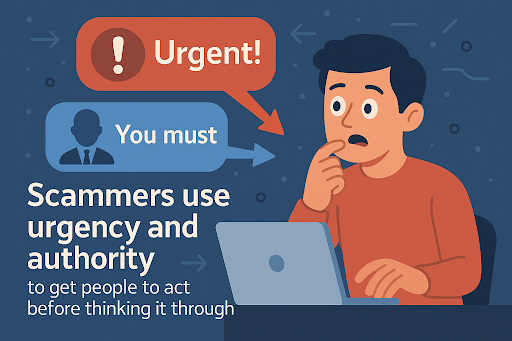
Social engineering is effective because it preys on human emotions and instincts. Hackers design their attacks to trigger specific psychological responses. These include:
Urgency: You’re told you must act fast or face serious consequences. An example of this could read: “Your account will be closed in 24 hours.”
Fear: Threats of legal action, job loss, or compromised data. Example: “We’ve detected unauthorized activity on your account.”
Trust: Pretending to be someone familiar or authoritative, like a boss, a bank official, or a tech support agent.
Curiosity: Using intriguing headlines or messages. Example: “Check out this shocking video of you.”
These emotional triggers can override logic and make people act without verifying the authenticity of the message. This is why training and awareness are critical components of cybersecurity.
Common Types of Social Engineering Attacks
There are various ways that social engineers operate, and each attack is designed to look as real as possible. Here are the most common tactics:
Phishing: Fake emails or messages posing as trusted entities like your bank or social media platform. They often contain links to fake websites designed to steal your credentials.
Spear Phishing: A more targeted form of phishing, where the attacker has specific information about you (e.g., your name, position, or company).
Vishing (Voice Phishing): Scammers call pretending to be customer service or tech support and request sensitive information.
Smishing (SMS Phishing): Similar to phishing, but the message comes via text. It may include a malicious link or ask for personal data.
Pretexting: The attacker creates a fictional scenario to convince the victim to share information or perform actions. For example, they pretend to be a police officer investigating a case.
Baiting: The attacker lures the victim with something attractive (like free music or a gift) that contains malicious software or links.
Tailgating: Following an authorized person into a restricted area by pretending to be a delivery person or employee.
Real-life Social Engineering examples
1. CEO Impersonation / Business email compromise:
An employee received an email that looked like it came from the CEO, requesting an urgent fund transfer. The email was forged, and the company lost thousands.
2. Online Romance Scam:
A woman met someone online who built trust over months, then requested financial help for a ‘business emergency.’ She sent over a million naira—he vanished.
3. Fake IT support call:
A caller posed as IT support and asked for login credentials. The employee, thinking it was genuine, gave access to the company network.
These examples show that social engineering doesn’t need advanced tech—just believable lies.
How to stay safe from Social Engineering
Although these attacks are dangerous, you can protect yourself with the right knowledge and practices. Here are essential tips:
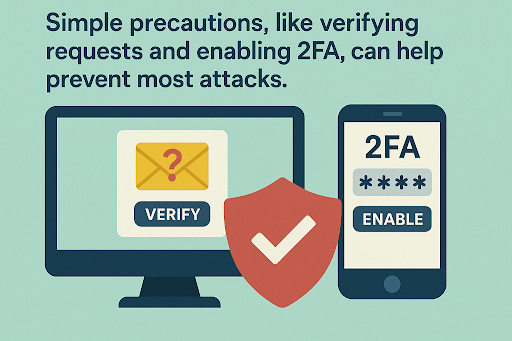
Always verify: If you receive a suspicious message or call, verify it through a second channel. For example, call your bank or IT department directly.
Check the sender’s details: Look closely at the email address, phone number, or URL. Often, scammers use addresses that are almost—but not quite—correct.
Don’t click links blindly: Hover over links to see where they lead. If it looks suspicious, don’t click.
Use two-factor authentication (2FA): This adds an extra layer of security in case your password is compromised.
Limit personal information online: The less you share, the less attackers can use to trick you.
Keep software updated: Regular updates fix vulnerabilities that attackers can exploit.
Report suspicious activity: Inform your company’s IT team or relevant platform so they can take action.
Being skeptical is not paranoia—it’s protection. If something feels off, it probably is.
Social engineering works not because we are careless but because we are human. But the more we learn about these tactics, the better we can defend ourselves. You should always remember to stay informed, think critically, and never rush into sharing sensitive information online or offline. In a world where information is currency, your awareness is your best defense.