


In today’s world, government agencies rely heavily on technology to deliver services, store data, and communicate with the public. But with this digital shift comes cyberattacks. From ransomware attacks that lock down systems, to data breaches that leak sensitive information, the threats are evolving daily. That’s why cybersecurity has become important for every government organization. In this article, we break down why cybersecurity matters for public institutions and how they can protect their operations effectively in 2025 and beyond.
Why Cybersecurity is Crucial for Government Agencies
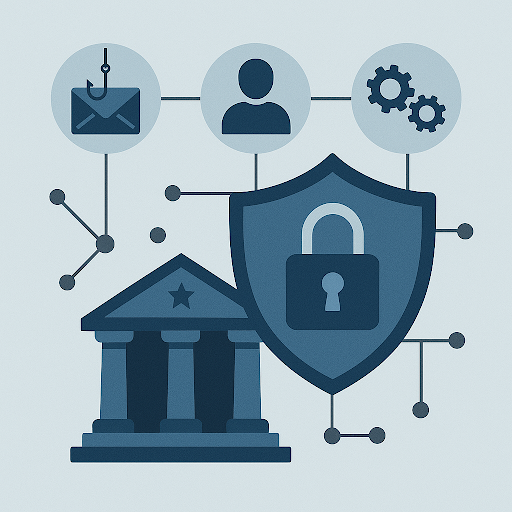
Government bodies hold sensitive data: citizens’ personal records, financial information, law enforcement data, national defense details, and more. This makes them prime targets for hackers, especially in countries where digital infrastructure is growing but security is still catching up.
When a cyberattack hits a government agency, the results can be devastating:
- Loss of public trust
- Disruption in essential services (like health care or emergency response)
- Financial damage
- Leaked classified information
Top Cyber Threats Facing Government Agencies Today
- Ransomware Attacks
Hackers lock government files and demand a ransom to unlock them. Some Nigerian government websites and agencies have already faced this in recent years. - Phishing and Social Engineering
Cybercriminals trick employees into clicking malicious links or sharing passwords through fake emails or phone calls. - Insider Threats
Sometimes, the risk comes from within—disgruntled employees or staff who unknowingly create security holes. - Unpatched Systems and Outdated Software
Many agencies use old IT systems with security flaws that haven’t been fixed, making them easy to exploit.
How to Secure Government Operations in the Digital Age
1. Train Government Staff on Cyber Hygiene
One of the easiest ways hackers get in is through human error. Staff should be regularly trained on basic security practices listed below:
- How to spot phishing emails
- Why not to reuse passwords
- The importance of regular software updates
2. Invest in Strong Access Control
Every employee should only access the data they need to do their job. Using a Zero Trust Architecture ensures no one gets blanket access.
Tools to use:
- Multi-factor authentication (MFA)
- Role-based access systems
- Identity and access management (IAM) tools
3. Use Encryption for Data and Communication
Whether it’s storing files or sending internal messages, data must be encrypted. This protects information even if someone manages to intercept it.
Popular tools:
- SSL for websites
- End-to-end encrypted platforms (like Signal or ProtonMail)
4. Create an Incident Response Plan
When something goes wrong, you need a plan. Every agency should have a step-by-step guide for what to do during a cyberattack—who to call, how to contain the threat, and how to recover.
Bonus tip: Run regular simulations so your team is always ready.
5. Keep Software and Systems Updated
Hackers love old, outdated systems. Regularly updating and patching your software helps close security holes before attackers can exploit them.
Helpful tools:
- Patch management software like ManageEngine or SolarWinds
- Automatic update features in cloud systems
6. Partner with Cybersecurity Experts
Most agencies don’t have large IT teams. Working with cybersecurity firms or using managed services helps monitor your systems and detect threats early.
As Nigeria and other countries embrace the digital age, governments must prioritize cybersecurity. It’s not only about keeping hackers out but also about ensuring services run smoothly, public trust remains strong, and national stability isn’t at risk.