

Cybercriminals are not slowing down in 2025. Rather, they are getting smarter. With AI-powered attacks becoming more sophisticated, deep fake scams on the rise, and advanced phishing schemes evolving, it’s no longer enough for businesses to react to threats. You have to stay one step ahead. The good news? You don’t need to be a tech expert to protect your business. You just need to know what to watch out for
How do these hackers operate?
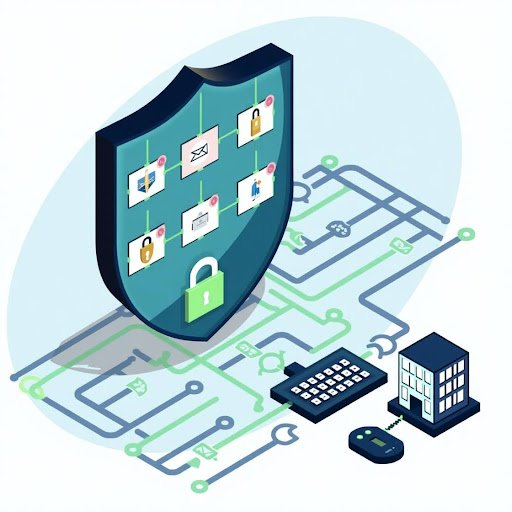
Hackers in 2025 are using more sophisticated tactics than ever, posing significant cyber threats. Here are some of the most common used in targeting business;
- AI-generated phishing emails: These messages are more convincing than ever, mimicking your writing style, your boss’s tone, or even internal company language. Protecting against AI-generated phishing requires advanced solutions.
- Deepfake voice and video scams: Criminals are cloning voices to make fake calls to employees asking for urgent money transfers or confidential access.
- Credential stuffing: Using leaked passwords from previous data breaches, hackers attempt to access your systems, especially if employees reuse weak passwords.
- Social engineering: Scammers pretend to be IT support or trusted vendors, manipulating employees into handing over sensitive info.
- Ransomware as a service: Yes, ransomware is now available for rent. Anyone with money can launch a full-blown attack on your business, highlighting the need for strong ransomware protection.
So how do you beat that? By having the right defenses in place.
Tools That Smart Businesses Are Using In 2025

Here are the essential cybersecurity tools businesses are relying on in 2025 to stay ahead of hackers:
1. Email Security Tools
Tool to try: Mimecast or Proofpoint
These platforms filter out phishing emails before they even reach your inbox. They also flag suspicious attachments and URLs, which stops most scams in their tracks, providing crucial email security for businesses.
2. Multi-Factor Authentication (MFA)
Tool to try: Authy, Google Authenticator, or Okta for business
Even if a hacker has your password, MFA makes it nearly impossible for them to access your systems without a second device or code.
3. Password Managers
Tool to try: 1Password, Bitwarden, LastPass
A password manager generates and stores strong, unique passwords for each login—no more “Admin123,” significantly reducing the risk of credential stuffing.
4. Endpoint Protection
Tools to try: CrowdStrike, SentinelOne, Sophos
These tools protect your computers, phones, and tablets from malware, ransomware, and remote takeovers.
5. Zero Trust Security
Tool to try: Zscaler or Palo Alto Networks
This strategy assumes no one inside or outside your network is trustworthy by default. It controls access to sensitive parts of your systems on a need-to-know basis, a key aspect of modern network security.
6. AI-Based Threat Detection
Tool to try: Darktrace
Darktrace uses machine learning to monitor your systems and detect strange activity before it becomes a full-blown breach.
7. Employee Cybersecurity Training
Tool to try: KnowBe4 or CyberSafe
Your people are your first line of defense. These platforms simulate phishing attacks and can teach your staff how to spot and report them.
It’s tempting to think, “We’re too small to be targeted,” but that’s exactly what hackers count on. Cyberattacks don’t just hit big corporations anymore. Now, they’re going after small and mid-sized businesses that often don’t have strong security.
By using the right tools and staying alert, you increase your business’s resilience and long-term success.
In 2025, cybersecurity isn’t optional; it’s a business advantage. Outsmart hackers before they even try.