



The digital alarms are ringing louder than ever. In 2025, the cybersecurity landscape has undergone a decisive shift. As cyber threats grow in sophistication, fueled by artificial intelligence and a relentless focus on human vulnerabilities, from phishing emails that mimic internal communication to ransomware attacks that can paralyze entire operations, the modern threat landscape no longer targets just systems it targets people so recognizing every individual’s role in safeguarding digital assets is paramount for survival.
Cyber threats are more advanced, more frequent, and more personal than ever. And that’s why cybersecurity is no longer just the job of the IT department. Every employee, no matter their role, is now the first line of defense.

The Rise of Human-Centered Cyber Threats
Cybercriminals are shifting tactics. Instead of breaking into complex systems, they exploit human behavior, tricking someone into clicking a link, downloading a file, or sharing a password. It’s faster, cheaper, and often more effective.
Consider these real-world examples:
- A finance officer receives an urgent “CEO request” to transfer funds.
- A customer service representative clicks on what appears to be a routine invoice.
- A remote worker logs in over public Wi-Fi without using a VPN.
In each case, it wasn’t a tech flaw—it was a human moment.
Why Every Role Matters in Cybersecurity
Here’s how different departments now play a vital role in digital defense:
- HR & Admin: Handle sensitive employee data and onboarding processes, and are often targeted for identity theft or insider scams.
- Finance: Frequently targeted with fake invoices, wire fraud scams, or business email compromise.
- Sales & Marketing: Deals with client data and third-party platforms, prime vectors for phishing or social engineering.
- Customer Service: Frontline communicators who often interact through channels where attackers may pose as clients or partners.
- Executives: High-value targets for spear phishing and impersonation attacks.
In short: if you have access to a device or data, you’re a cybersecurity stakeholder.
Beyond Technical Fixes: The Imperative of a Strong Security Culture
While robust technical defenses like firewalls, endpoint detection, and multi-factor authentication remain crucial, they are no longer sufficient on their own. In 2025, the most resilient organizations are those that cultivate a deeply ingrained security culture.
A strong security culture means:
- Shared Responsibility: Every employee understands that cybersecurity is part of their job, regardless of their role or technical expertise.
- Heightened Awareness: Individuals are educated about the types of threats they might encounter and the tactics attackers use.
- Proactive Vigilance: Employees are encouraged and empowered to question suspicious requests, verify unusual communications, and report potential incidents without fear of blame.
- Leadership Buy-in: Security is championed from the top down, with executives actively demonstrating and promoting secure behaviors.
Organizations that successfully foster such a culture transform their employees from potential liabilities into their greatest security assets. An alert employee who spots a phishing attempt or questions an unusual request can thwart an attack before it causes significant damage. This human firewall is an active, intelligent, and adaptable defense layer that technology alone cannot replicate.
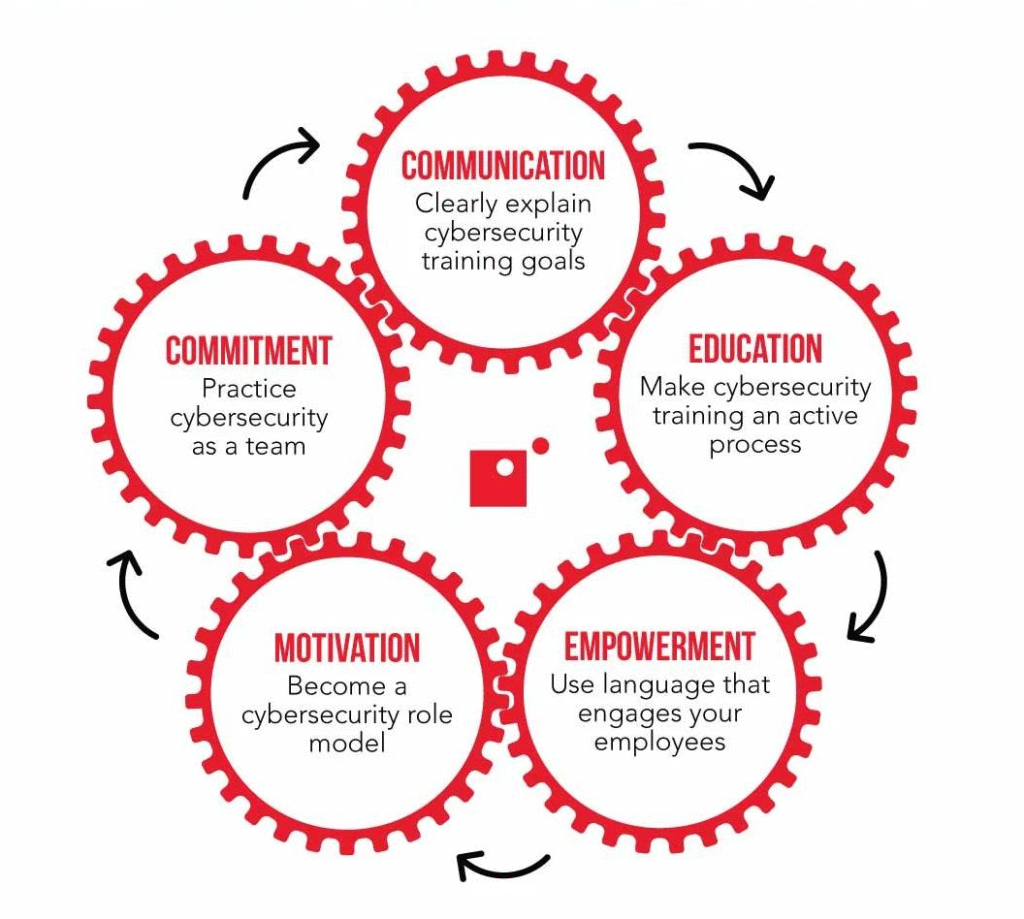
Empowering Employees as Cyber Defenders
The solution isn’t fear, it’s empowerment. Here’s how organizations can turn their people into proactive cyber defenders:
1. Ongoing Cybersecurity Training
Not just once a year. Make cybersecurity training part of the culture through micro learning, simulations, and regular updates on emerging threats.
2. Clear Reporting Channels
Make it easy and judgment-free to report suspicious activity. A fast report can stop a cyberattack before it spreads.
3. Role-Specific Best Practices
Customize guidance for each department. What a marketing exec needs to know is different from what an HR officer faces.
4. Promote a Security-First Mindset
Encourage habits like locking screens, verifying emails, and using secure file sharing, even in fast-paced environments.
5. Recognize and Reward Vigilance
Celebrate employees who spot phishing attempts or suggest security improvements. Security awareness should be seen as part of job excellence.
In 2025, cybersecurity isn’t about firewalls and software alone. It’s about people making smart decisions every day. When every employee understands their role in protecting data, companies become stronger, faster, and safer. An informed, vigilant, and empowered workforce is not just a part of the cybersecurity strategy; it is its very foundation.
Need to build a cyber-aware culture in your organization? VetraGo offers tailored training and resources to turn your team into security champions.